Most people think of IV therapy as simple. Fluids, vitamins, done. But the most important part of any IV visit happens before the needle: screening.
A JAMA article on IV hydration spas noted that these services are gaining popularity, and that safety depends on proper evaluation. In October 2026, the MedSpa Board and QUAD A released joint guidance on IV infusion safety, focusing on sourcing, oversight, and monitoring.
So who should not get IV therapy, or at least should talk to a doctor first? This guide gives you a plain checklist of medicines and health conditions to bring up. It’s general education, not a complete list.

Table of Contents
Why Screening Matters
An IV puts fluid and nutrients straight into your blood. That’s fast, which is the point. But it also means:
- Fluids add volume to your blood. Some hearts and kidneys can’t handle extra fluid well.
- Ingredients can interact with medicines.
- Minerals like potassium and magnesium can build up if kidneys don’t clear them.
- Allergic reactions can happen to any ingredient.
A good screening catches these before they become problems.
IV Therapy Medications to Mention
Bring a full list of what you take, including supplements. These matter most:
Blood thinners
Warfarin, apixaban (Eliquis), rivaroxaban (Xarelto), clopidogrel (Plavix), and daily aspirin. These raise bruising and bleeding at the IV site. Some vitamins, like vitamin K, can affect warfarin.
Heart and blood pressure medicines
Diuretics (water pills), beta blockers, and others. Extra fluid or minerals may affect your heart rhythm or blood pressure.
Kidney-related medicines
If you take medicines for kidney disease, your body may not clear minerals or fluids normally.
Diabetes medicines
Some IV ingredients, like high-dose vitamin C, can affect certain glucose meter readings. Insulin and other drugs need extra care.
GLP-1 weight loss medicines
Semaglutide and tirzepatide can cause nausea and less eating, which may affect hydration. See semaglutide and dehydration.
Other medicines
- Lithium
- Certain antibiotics
- Chemotherapy or immune medicines
- Supplements like high-dose vitamin D, iron, or magnesium
The Health Conditions to Mention
Tell your clinician if you have:

- Heart failure or other heart disease
- Kidney disease or a history of kidney stones
- Liver disease
- High blood pressure that’s hard to control
- G6PD deficiency (important for high-dose vitamin C)
- Iron overload, like hemochromatosis
- Pregnancy or breastfeeding
- Allergies to any medicines, vitamins, or latex
- A fever or active infection
These don’t always mean “no.” They mean your clinician needs to know so they can decide safely.
Who Should Not Get IV Therapy Without a Doctor’s OK
In general, people in these groups should talk to their own doctor first, and may be told to skip it:
- People with heart failure or fluid limits
- People with moderate to severe kidney disease
- People who are pregnant, unless their OB approves
- People with severe symptoms (chest pain, confusion, trouble breathing), who need emergency care
- People with known allergies to drip ingredients
What Our Screening Looks Like
At our physician-led practice in Greenacres, each visit starts with:
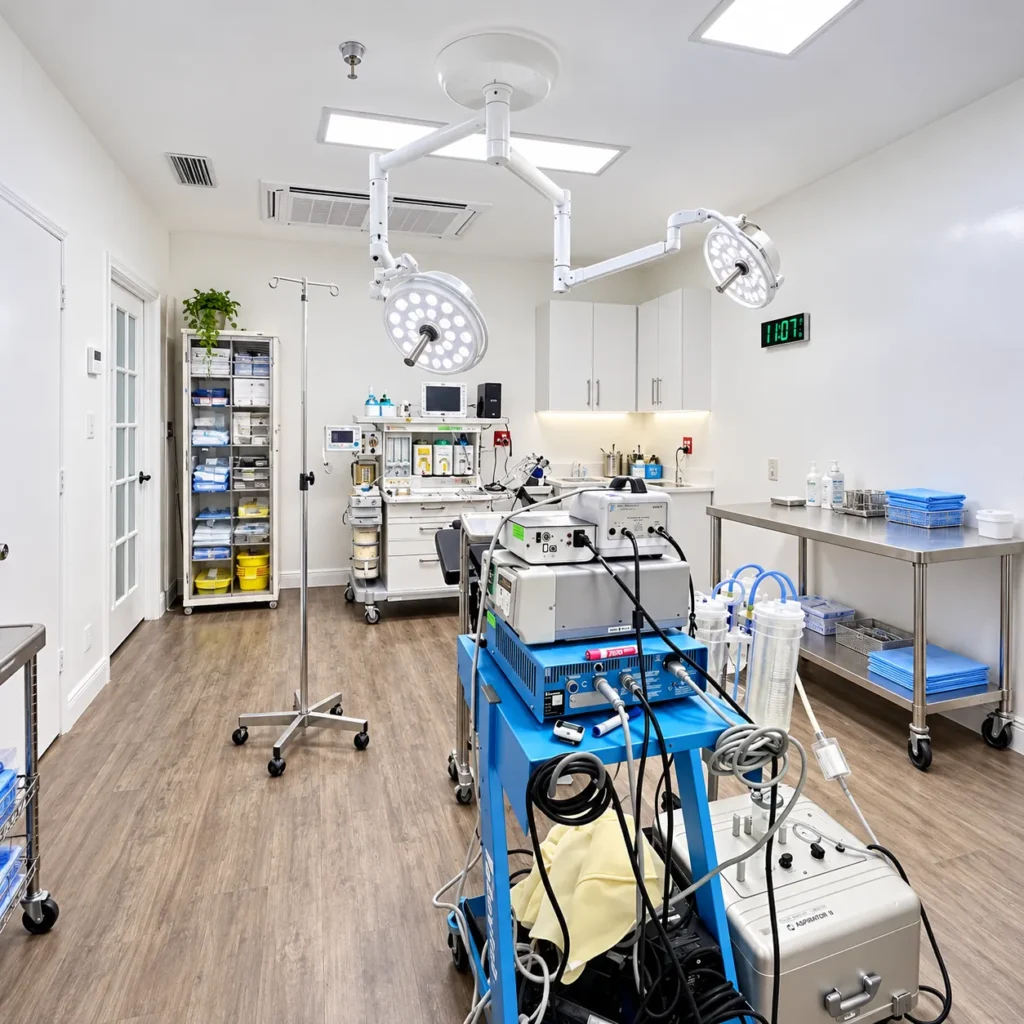
- Health history: conditions, surgeries, allergies.
- Medicine review: everything you take.
- Vital signs: blood pressure, heart rate, and more.
- Labs when needed: for some drips like Vitamin C or Iron.
- A clear answer: if an IV isn’t right for you, we’ll tell you.
Read our IV therapy safety FAQ and our guide to choosing an IV therapy provider.
How to Prepare for Your First IV Therapy Visit
A little prep makes screening faster and safer:
- Write down every medicine, with the dose and how often you take it.
- List supplements and vitamins too. People often forget these.
- Note recent changes, like a new prescription or a dose change.
- Bring recent labs if you have them, especially kidney, iron, or vitamin results.
- Eat a light meal and drink water unless told otherwise.
- Know your history: surgeries, hospital stays, and allergies.
If you’re not sure whether something matters, bring it up anyway. Your clinician would rather hear too much than too little.
Questions to Ask Any IV Provider
- Who reviews my health history and medicines?
- Who prescribes the drip?
- Who places the IV and watches me?
- What happens if I have a reaction?
- Where do the ingredients come from? (See our sourcing questions.)
Frequently Asked Questions
Can I get IV therapy if I’m on blood thinners?
Maybe, but tell your clinician. Blood thinners raise bruising and bleeding risk, and some vitamins can interact.
Who should not get IV therapy?
People with heart failure, serious kidney disease, certain allergies, or severe symptoms should talk to a doctor first and may need to skip it. This isn’t a complete list.
Do I need to bring my medicine list?
Yes. Bring everything, including vitamins and supplements.
Is IV therapy safe with kidney disease?
Kidney disease can affect how your body handles fluids and minerals. Your doctor needs to weigh in first.
Can I get an IV while pregnant?
Only with your OB’s approval. Many wellness drips aren’t recommended during pregnancy.
Screening First, Always
The safest IV is the one that’s right for you. Book a private consultation, bring your medicine list, and we’ll review it together.
Book a private consultation or call (561) 363-5538.
Majestic Aesthetics · 5315 Lake Worth Road, Greenacres, FL 33463 · (561) 363-5538
This article is general education, not medical advice. Individual results vary. Consultation required. Not all patients are candidates.
Want to keep reading? Find more plain-English guides on our blog, or start with our IV therapy overview.
Related reading: Choosing an IV Therapy Provider in Palm Beach County: 10 Questions to Ask · Where Does Your IV Bag Come From? Pharmacy Sourcing, Explained for Greenacres Patients