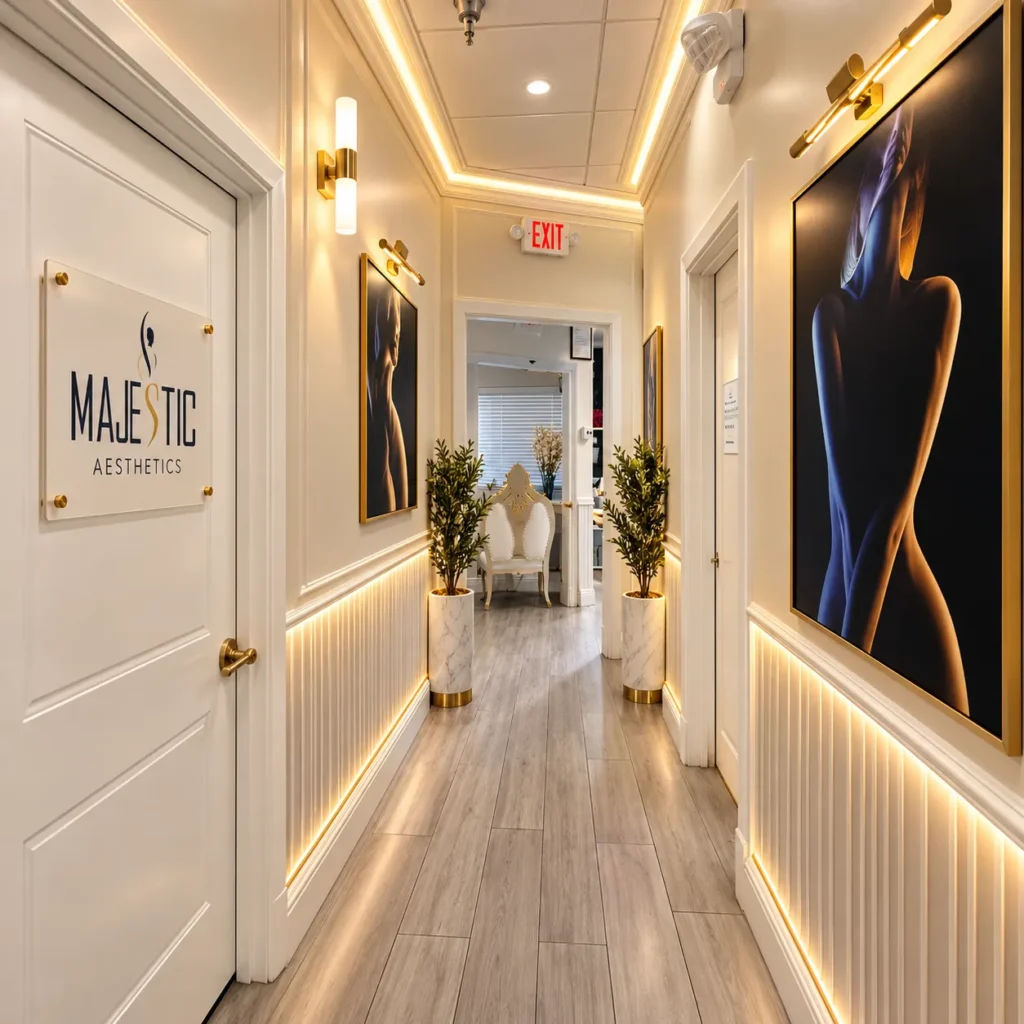
Body contouring, like liposuction, is a real procedure. MedlinePlus notes that liposuction carries risks like fluid imbalance, swelling, and bruising. Fluid shifts, swelling, and recovery all affect how your body feels for days or weeks. So it makes sense that patients ask about hydration after liposuction.
Here’s the most important point up front: your surgeon’s post-op instructions come first. Always. This guide gives you questions to ask so you understand your plan, and explains when (if ever) an IV hydration visit might fit later.
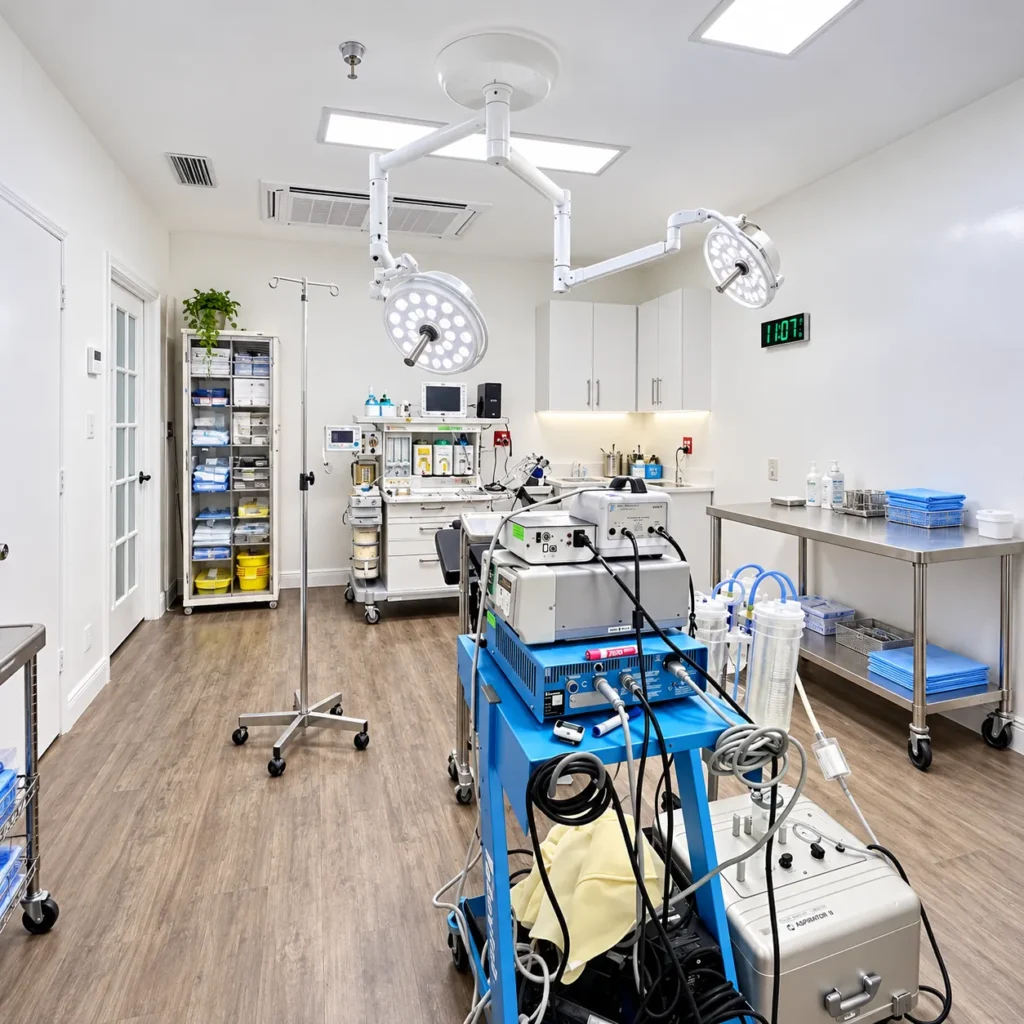
Table of Contents
Why Hydration After Liposuction Matters
During liposuction, fluid is often used to numb the area and reduce bleeding. Afterward, your body is healing, and swelling is normal. Good hydration supports your body through recovery. But too much or too little fluid can both be a problem, and needs depend on you and your procedure.
That’s why hydration after liposuction is a conversation with your surgeon, not a one-size-fits-all rule.
Why Your Surgeon’s Plan Comes First
Your surgeon knows:

- What was done and how much
- What fluids you received during surgery
- Your health history and medicines
- What warning signs to watch for
General advice online, including this post, can’t replace that. If anything here differs from your surgeon’s instructions, follow your surgeon.
7 Questions to Ask Your Surgeon
Bring these to your pre-op or post-op visit:
- How much should I drink each day after surgery?
- Are there drinks I should avoid? (Alcohol often is.)
- Should I use electrolyte drinks?
- What signs of dehydration should I watch for?
- What signs mean I should call you right away?
- When can I go back to normal activity and exercise?
- Is an IV hydration visit okay during my recovery, and when?
Write the answers down. Recovery days can be foggy.
Before Surgery: Hydration Prep
Your surgeon may give instructions like:
- When to stop eating and drinking before surgery
- Which medicines and supplements to stop (some raise bleeding risk)
- How to prepare your home for recovery
Follow these exactly. Don’t add supplements or vitamins without asking, especially ones that may affect bleeding.
After Surgery: General Hydration Tips
If your surgeon agrees, many people find these helpful:
- Sip steadily through the day instead of chugging.
- Keep water by your bed and recovery spot.
- Eat water-rich foods like soup, fruit, and yogurt.
- Limit salty foods, which can add to swelling.
- Skip alcohol while healing and on pain medicines.
Signs to call your surgeon
- Very little urine or very dark urine
- Dizziness or fainting
- Fever or chills
- Increasing pain, redness, or swelling
- Shortness of breath or chest pain (call 911)
- Calf pain or swelling in one leg (call right away)
When an IV Visit May Fit
For most people, oral fluids are enough. An IV hydration visit is not part of standard post-op care for most body contouring patients.
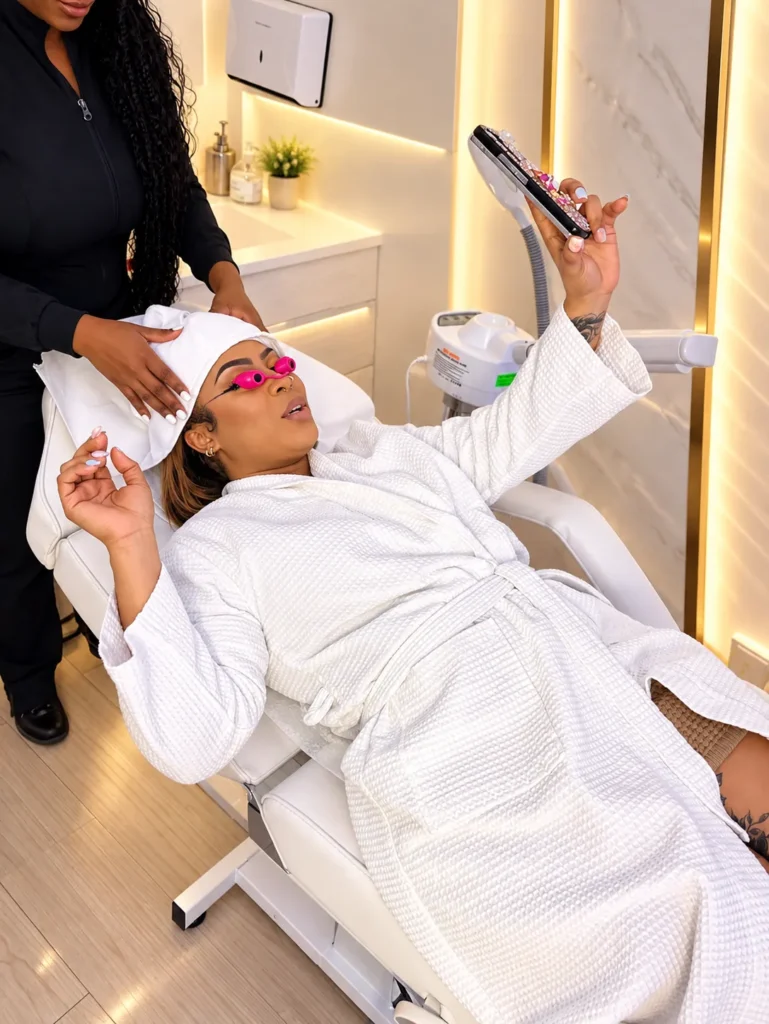
In some cases, after your surgeon clears you, a patient might ask about a Hydration Drip during later recovery, for example, if they’ve had trouble keeping up with fluids. That decision belongs to your surgeon and our clinician together. It never replaces your post-op plan, compression garments, or follow-up visits.
You can see the Hydration Drip on our IV drip menu and learn more on our IV therapy page.
Who should not get an IV after surgery
- Anyone not cleared by their surgeon
- Anyone with signs of infection or blood clots
- People with heart or kidney concerns
- People with swelling the surgeon is monitoring for fluid issues
Recovery Habits Beyond Water
Hydration is one piece of healing. Others your surgeon may mention:
- Compression garments worn as directed
- Short, gentle walks to help circulation, when cleared
- Protein-rich meals to support healing
- Rest and sleep
- Keeping incisions clean and following wound care steps
- Going to every follow-up visit
Each patient’s plan is different. Keep your surgeon’s written instructions handy and call with questions.
Awake Liposuction and Recovery
Some patients choose awake liposuction, done with local numbing. Recovery can differ from traditional surgery under general anesthesia. Our guide to awake liposuction in Lake Worth explains what to expect.
On GLP-1s Before Body Contouring?
Many people lose weight with GLP-1 medicines before contouring. These can reduce appetite and thirst, which may affect hydration. Tell your surgeon if you take one. See semaglutide and dehydration.
Frequently Asked Questions
How much water should I drink after liposuction?
Follow your surgeon’s instructions. Needs vary by person and procedure.
Can I get an IV after liposuction?
Only if your surgeon clears you. For most people, drinking fluids is enough.
Should I drink electrolyte drinks after surgery?
Ask your surgeon. Some recommend them, and some limit salt to help swelling.
What are signs of dehydration after surgery?
Very dark urine, little urine, dizziness, and dry mouth. Call your surgeon if you notice these.
When should I call my surgeon about swelling?
If swelling gets worse instead of better, comes with fever, redness, or pain, or if one leg swells, call right away.
Ask First, Heal Well
Good hydration after liposuction starts with a clear plan from your surgeon. If you have questions about recovery or body contouring at our office, book a private consultation.
Book a private consultation or call (561) 363-5538.
Majestic Aesthetics · 5315 Lake Worth Road, Greenacres, FL 33463 · (561) 363-5538
This article is general education, not medical advice. Individual results vary. Consultation required. Not all patients are candidates.
Want to keep reading? Find more plain-English guides on our blog, or start with our IV therapy overview.
Related reading: Semaglutide Nausea and Dehydration: When to Call Your Prescriber and When to Ask About IV Fluids · Getting Back on Your Feet After the Flu: Fluids, Rest, and When an IV Visit Makes Sense